We build software you can still run in three years.
Quantrova Tech SL is a Madrid studio of senior engineers. We design, ship, and operate custom products for teams who are done paying twice for the same system.
Quantrova Tech SL is a Madrid studio of senior engineers. We design, ship, and operate custom products for teams who are done paying twice for the same system.

We started Quantrova Tech SL after watching the same pattern repeat. A product ships. Six months later nobody can change a payment flow without fear. The original team is gone. The architecture was never written down.
So we built a studio around the opposite habit. Senior engineers stay on the engagement from the first architecture sketch to the first production week. You get source you own, runbooks you can follow, and decisions written in plain language — not buried in Slack archaeology.
Today we work with founders, scale-ups, and established companies across Europe. Same bar every time: if we would not maintain this system ourselves, we do not ship it to you.
Give growing companies the same engineering discipline usually reserved for well-funded product orgs — without forcing them into a 40-person agency contract. Transparent estimates. Technical honesty. A real stake in whether the product still works after we leave.
Become the studio ambitious teams return to when the next product line needs to ship cleanly. Known for systems that stay changeable, for demos that match the roadmap, and for saying “no” early when a request would create debt you will regret.
Short stand-ups. Shared boards. Pull requests that get a real review — not a rubber stamp.
When a client asks “can we have this by Thursday?”, the answer comes from someone who has read the codebase that morning. If the date is wrong, we say so with options: cut scope, move the date, or add capacity. You choose with eyes open.
Micro-example: A logistics client needed a driver app rewrite. Discovery found the real pain was offline sync, not the UI skin. We cut the visual overhaul, shipped reliable sync first, and cut support tickets by roughly half in the first month.

Every non-trivial choice — database, auth, hosting — gets a short ADR. Your next hire can read why, not guess.
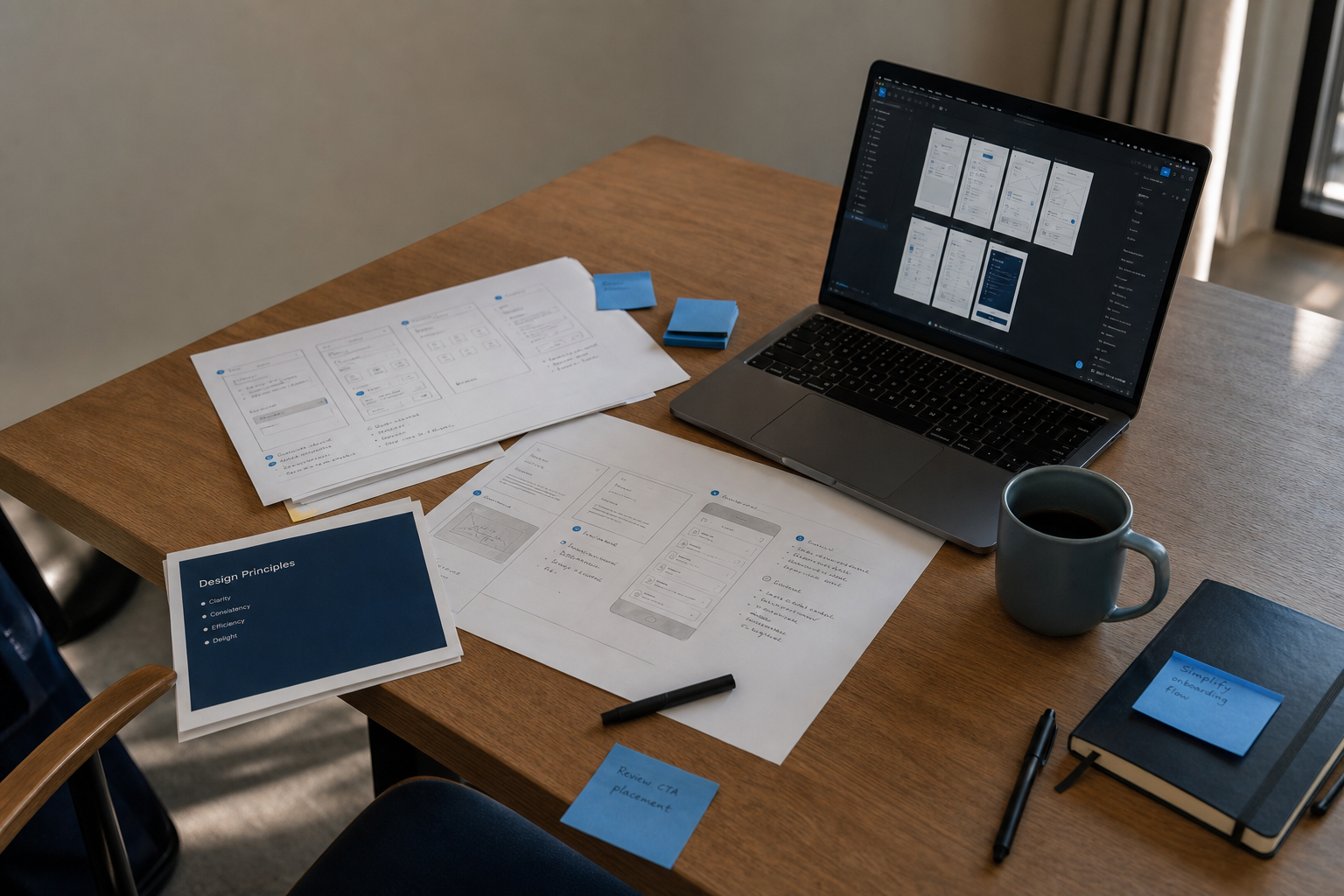
Every two weeks you see a build you can click. Screenshots of Figma alone do not count as progress.
Deploy scripts, env docs, and a handover call. If only we can restart the app, we have failed the engagement.
These are not wall posters. They show up in how we estimate, how we refuse bad scope, and how we review each other’s code.
We recommend the smaller scope when it solves the real problem. Selling you a platform you do not need is a short win and a long mess.
Readable names. Tests on the paths that break business. Comments where the “why” is not obvious. Unglamorous. Expensive to skip.
Success is a quiet production week after launch — not a signed invoice. We stay reachable while the system finds its feet.
Stacks move. We budget time to learn so your project gets current patterns — without chasing every shiny framework of the month.
Naming them early saves money. We would rather lose a sale than inherit a doomed plan.
A 40-feature MVP that ships nothing useful. We force-rank by revenue, risk, and frequency of use — then cut the rest into a later phase.
Pretty decks hide thin engineering. Ask who will review the PR for auth. If the answer is “a junior under supervision,” keep looking.
No logs, no metrics, no rollback plan. We wire monitoring before traffic arrives — so the first outage is minutes, not days.
We are selective. Fit protects both sides.
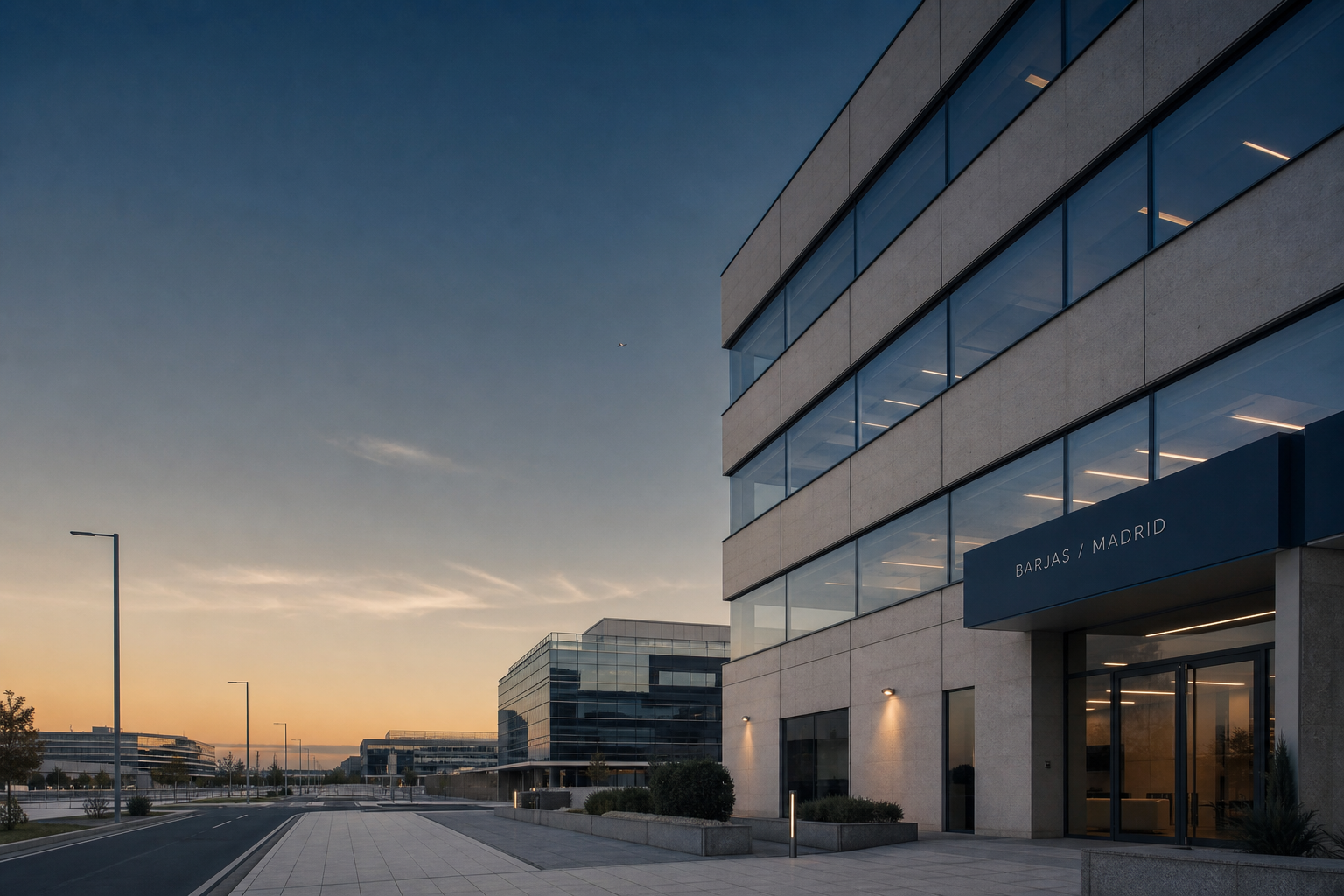
Calle Balandro 39 sits in Madrid’s 28042 district — a practical base for teams flying in for workshops and for remote collaboration across CET hours.
Prefer async? Send a brief with goals, timeline, and constraints. We reply with clarifying questions and a suggested engagement shape — fixed scope, dedicated team, or augmentation.